

The Mason Firm
Fighting for our clients. Any case. Any courtroom.
What we do
Personal Injury Lawyers
What we offer our clients

Communication
Many large personal injury firms stick their clients with paralegals, case managers, or intake specialists. You rarely, if ever, speak to your actual attorney. However, at the Mason Firm, your attorney works exclusively on all aspects of your case and you have direct access to your attorney's cell phone for easy communications between the attorney and the client.

Proven Results
Our prior results speak for themselves. We fight to get the best possible results for our clients in every case no matter how big or small the case is.

Knowledge
Our award winning attorneys include former in-house counsel of a major billion dollar insurance company and a law professor. We know the defense strategies and defenses and uses that to fight for YOU. You are also getting an experienced legal writing law professor as YOUR ATTORNEY.

No Fee Unless We Win
We don't collect any fees from our clients unless we win the case. If we lose - you pay nothing.
Reliable & Trustworthy
Too often in personal injury cases, when the case is setled the attorney takes their fee, the doctors are paid, and the client is left with very little of the settlement. At The Mason Firm we truly care about our clients and what is best for them. That's why we have a rule at The Mason Firm: We never take more than our clients out of any settlement regardless of what our fee agreement says.
Awards and Memberships


Recent Results From Our Attorney
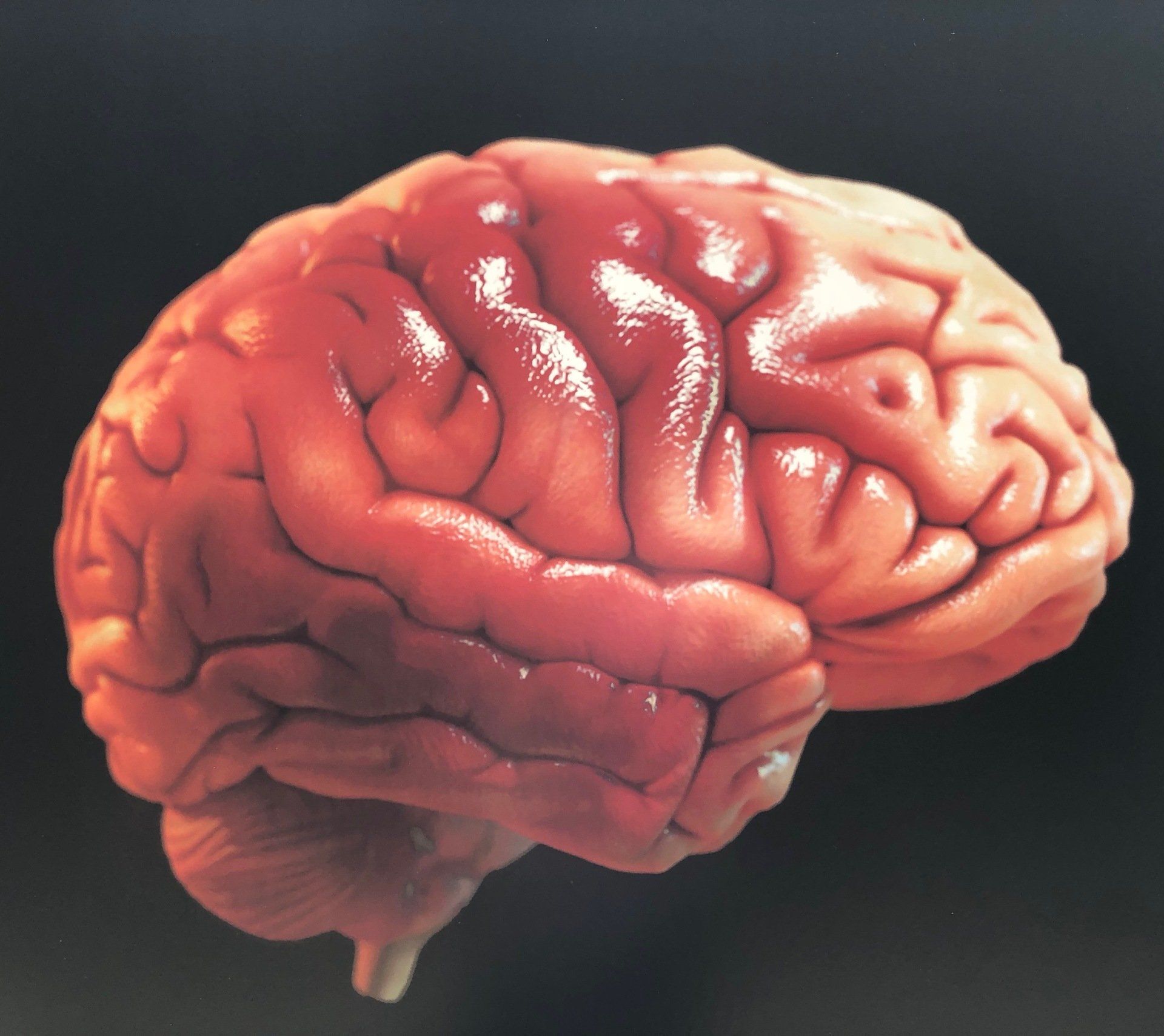
$1,075,845.00
$1,075,845.00 jury verdict in disputed mild traumatic brain injury against a school district.
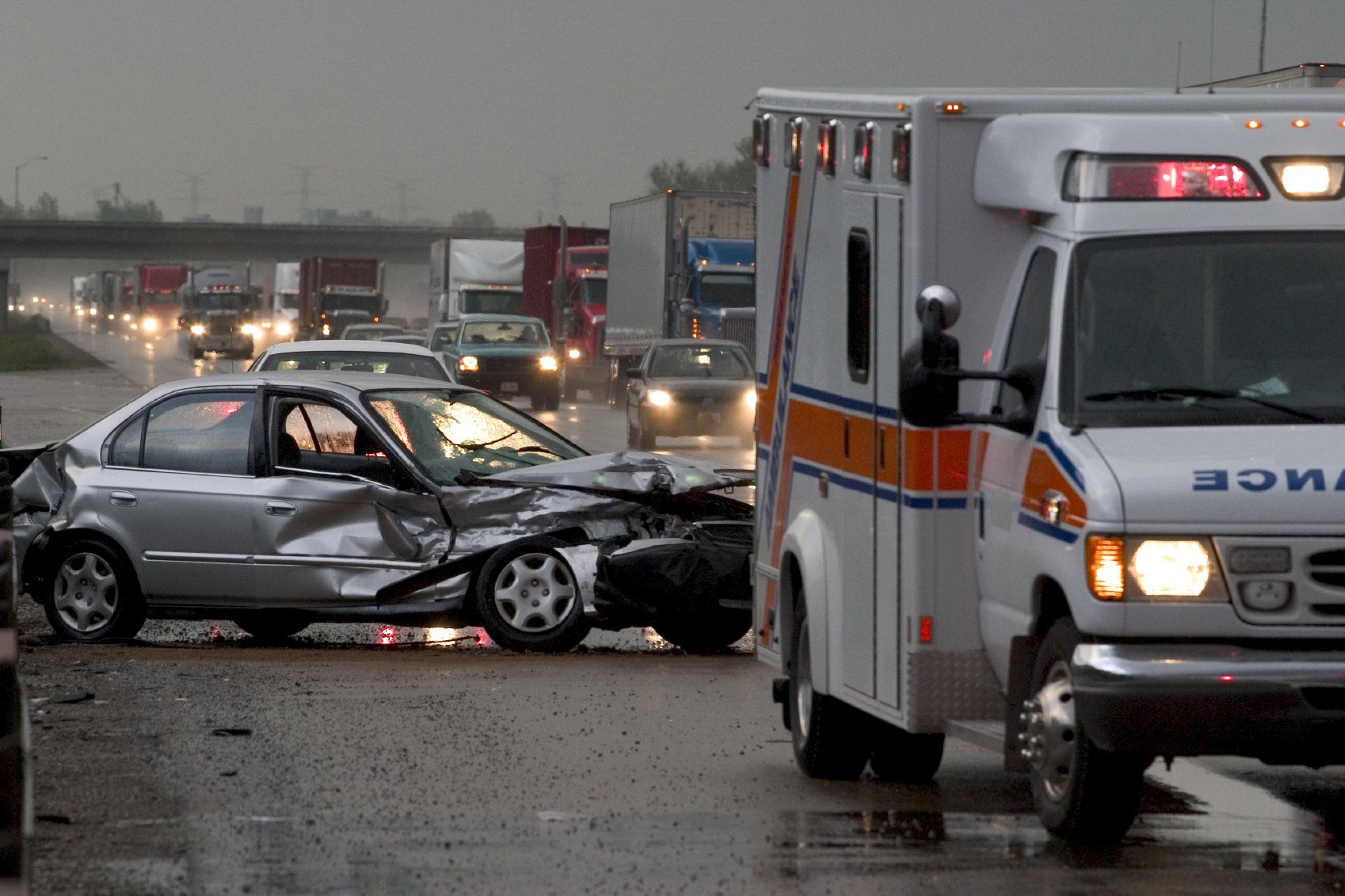
$1,800,000.00
$1,800,000.00 settlement in car accident case resulting in cervical fusion surgery.
Contact Us
Have a question? We are here to help. Send us a message and we’ll be in touch.
Contact Us
Useful links
Contact info
(858) 444-5256bmason@theMasonFirm.com
Main Office:
San Diego, CA
Other Locations by Appointment Only: Escondido, Carlsbad, Irvine, Riverside, San Bernardino, and Los Angeles

Follow us
Attorney Brian Mason is responsible for this website. This website is for advertisement purposes only and nothing in this website shall be construed as legal advice. The results of prior cases contained in this website is not a guarantee of any results as results in any case may vary. Viewing this wesbite does not create any attorney-client relationship with the Mason Firm or its attorneys.